Sea Adventure Camp

Coastal Ecology Camp

New Program Alert!

We are so excited to offer a new Sea Adventure Camp program this summer— Coastal Ecology Camp!
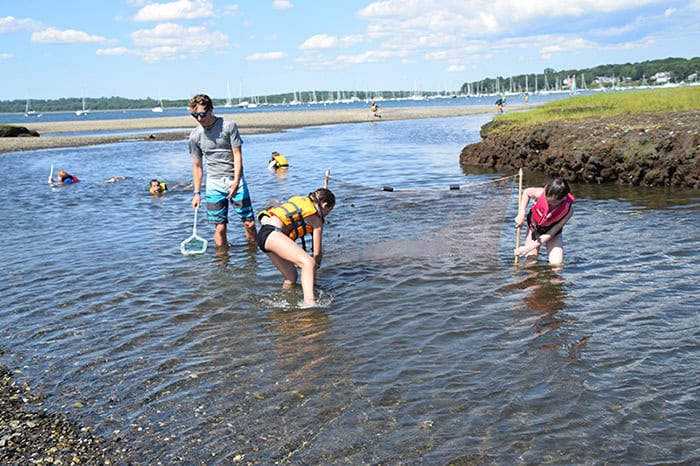
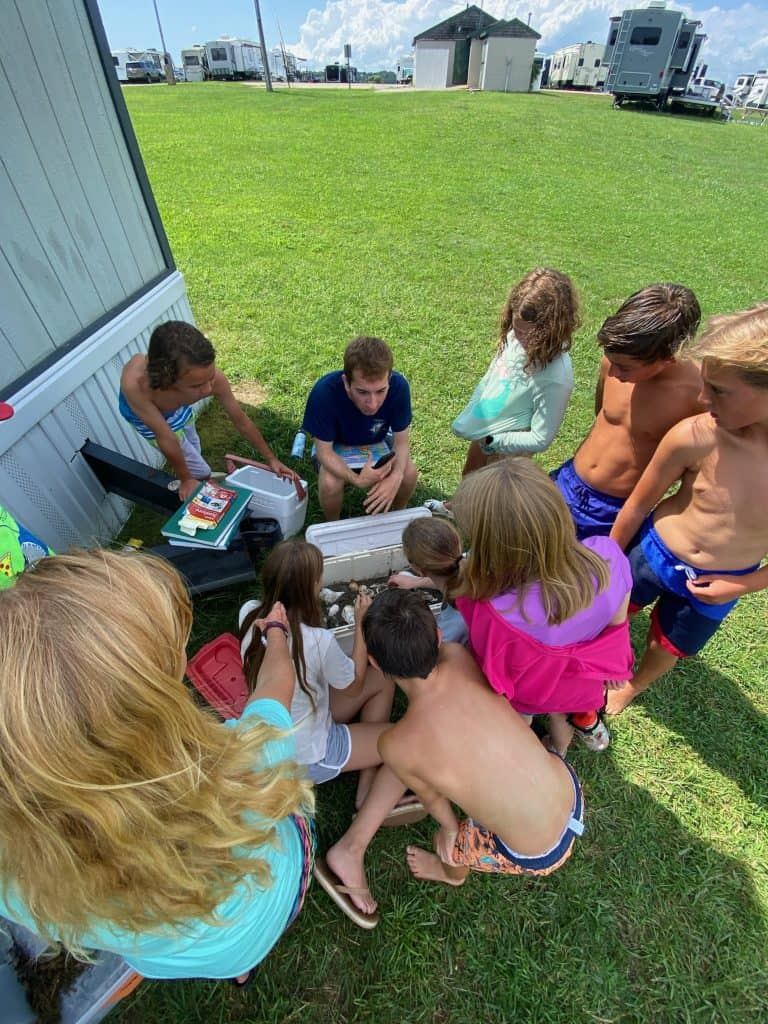
Coastal Ecology Camp will be a hands-on, science-focused program led by our Marine Science Educator, Cam Chadronet. Campers will have the opportunity to explore our coastal environment, while engaging in experiment-based learning in our new wet lab!

Ages: 12 – 16 y.o.

When: One-week sessions, from 9am – 12pm

Add-On Available (12 – 2pm)! For an extra charge, campers can stay an additional 2hrs each day for lunchtime and water-sports (kayaking, SUPing, further exploration, etc.).

Program Dates

  • *Week 3 (July 6 – 10)
  • *Week 5 (July 20 – 24)
  • Week 7 (August 3 – 7)

 (*These dates are tentative)

*Registration and Scheduling Details
Due to evolving timelines for our new building, all dates and offerings for Coastal Ecology Camp are subject to change. Registration for CEC will open at a later date than traditional Sea Adventure Camp—likely in early April. 

To keep updated with schedule and registration details, please subscribe to our e-news in our footer below!

 (SEE BELOW FOR MORE PROGRAM INFO!)
Program Overview

Led by Cam Chadronet, Coastal Ecology Camp is a marine-science and exploration-driven program of Sea Adventure Camp. Campers in this program will engage in exciting field and lab work, exploring Ft. Getty’s coastal environment and doing research in CISF’s new wet lab! Scientific exploration and discussion can be soothing and provide healthy, inconspicuous outlets for emotional release. This program design is intended to provide both intellectual and emotional benefits to students, encouraging youth to think critically, develop technical skills, and ask questions. 

Ages:
12 – 16

Location: Sea Adventure Camp @ CISF’s Ft. Getty campus

Program Goals
Develop technical skills with lab equipment:

  • Be able to identify common lab tools and know what they are used for.
  • Responsibly operate precision instruments (use appropriately and without damaging them). 
  • Learn to read basic scientific instruments.
  • Troubleshoot tools
  • Know how scientific instruments work
 
Expand knowledge of marine biology:
  • Be able to identify common types of marine life.
  • Expand vocabulary.
  • Be able to identify the basic components of an ecosystem.
  • Recognize different types of marine habitats.


Practice critical thinking:
  • Understand why tools and technology are important to science.
  • Understand what it means to be a responsible scientist.
  • Learn to form a hypothesis in response to a question.
  • Suggest how scientific tools can be used to test a hypothesis